
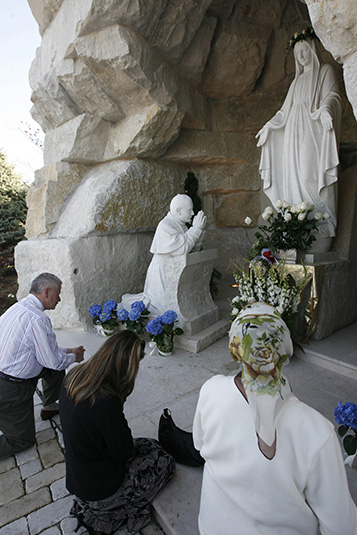
As the Marian month of May came to a close, Pope Leo XIV turned to Jesus’ mother for prayers and offered a rosary for peace at the Grotto of Lourdes in the Vatican Gardens on May 30.
“The Virgin Mary is the model of the believer who inclines the ear of the heart to listen to ‘what God says,’” Pope Leo said during the event. “She is an example for us in her obedience, which welcomed the Son of God into her womb in the Incarnation.”
The pope was doing what Catholics have done since Jesus’ death — turning to Mary in our time of need and asking for her to intercede for us with her son.
As Catholics, we love Mary because Jesus did, said Father James Presta, pastor of St. Emily Parish in Mount Prospect and an expert in Mariology.
“I think it’s that simple. We want to imitate Christ. And who could have loved Mary more than her son?” Presta said. “We always say that Mary, of course, is related. She’s related to all three persons of the Trinity. She’s the daughter of the Father, and she’s the mother of the Redeemer and the spouse of the Holy Spirit.”
Often, non-Catholics misunderstand Catholics’ devotion to Mary, saying that Catholics worship her. They lack an understanding of Scripture, said Father Esequiel Sanchez, rector of the Shrine of Our Lady of Guadalupe in Des Plaines.
“I don’t know what more clarity one needs than to hear the voice of the Lord in his command, to ‘receive her into your house,’” Sanchez said.
For generations, Catholics venerated Mary in their homes with images of her displayed prominently, and never questioned her pivotal role in the church.
“Now, for some reason, it’s an issue,” Sanchez said. “We don’t understand our Catholicism. We don’t understand the revelation of Christ without love for his mother. In other words, you can’t separate them. Mary is right there, right by the cross, suffering with him every step of the way. She knows more about his passion, birth, resurrection and eternal life than any of us can ever imagine.”
Catholics do not adore Mary or consider her to be divine.
“But she has been elevated to be the fullness of what humanity is supposed to look like,” he said. “We have an amazing grace that she makes so visible to the world, which is the fullness of the image and likeness of God in a human being.”
Mary is beloved by Catholics everywhere and that is expressed in the various devotions to her, especially those that developed where she has appeared, such as in Lourdes, France, and in Mexico City.
God has allowed Mary to appear to his people, and when she appears, she looks like the people she is meeting in dress, skin tone and features.
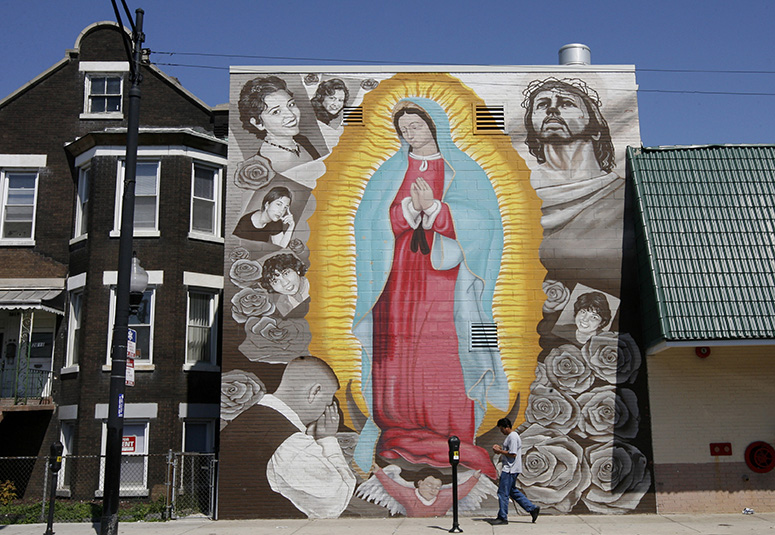
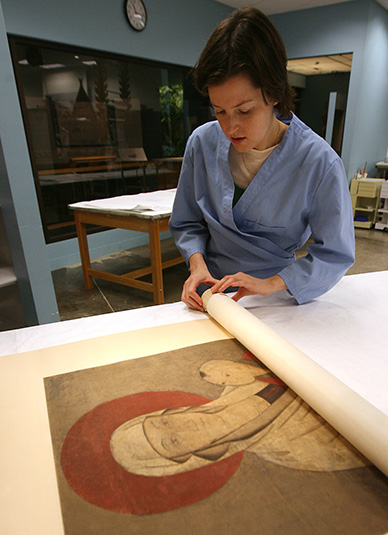
The image of Our Lady of Guadalupe given to St. Juan Diego on the “tilma,” or cloak, which is on display in Mexico City, is an example of how Mary relates to God’s people. She appears as an Aztec woman who is pregnant. She converted Aztec people who believed in many Gods by introducing them to the one, true God, Sanchez said.
“She says it very clearly to Juan Diego, ‘I am the ever-virgin Mary, mother of the true God of which all things are created.’ She is not Quetzalcoatl. She is not one of the deities before,” Sanchez said.
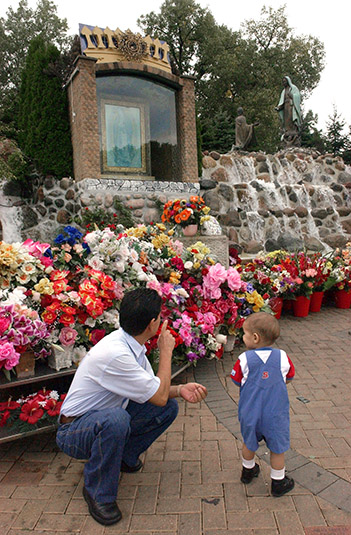
Devotion to Our Lady of Guadalupe, who St. Pope John Paul II designated as patroness to the Americas in 1999, transcends cultures. That can be seen around her feast day each year at the shrine in Des Plaines, as people of all backgrounds visit.
Why Mary appears to people on earth rather than God himself is not known, Presta said.
“I don’t know if I have a direct answer for that as much as I think there’s something to be said for people who come as intermediaries,” he said. “Perhaps we can relate more easily to them. But Mary was a vessel of grace, and I think she’s doing from heaven what she did here on earth.”
Mary helps people better understand her son and his church.
“What Mary is, the church hopes to be,” Presta said. “What that means is that if we think of the church as a mother, a virgin, a teacher, Mary, in a sense, is going to be the icon for us of what the church hopes to be. Immaculate.”
Our Lady’s appearance to St. Bernadette Soubirous in Lourdes, France, is Presta’s favorite apparition. Today, Lourdes is the most visited Marian shrine in Europe.
Dioceses all over the world regularly bring pilgrimages of people who are sick to Lourdes seeking healing. The “malades,” as they are called, are wheeled around by volunteers and are the special guests at all liturgies and events.
The spring that Mary revealed to Bernadette still supplies water to the shrine, and many drink the water or wash with it for healing.
“There’s something just very, something very sacred, very holy about the place,” Presta said. “You just get that great sense that God loves his people and he sent his mother to remind us of that great love that God has for all his people. The maternal aspect of that place lives in her and she helps us to see God’s great care and love for all of humanity — especially the ones who are hurting, the ones that need healing.”
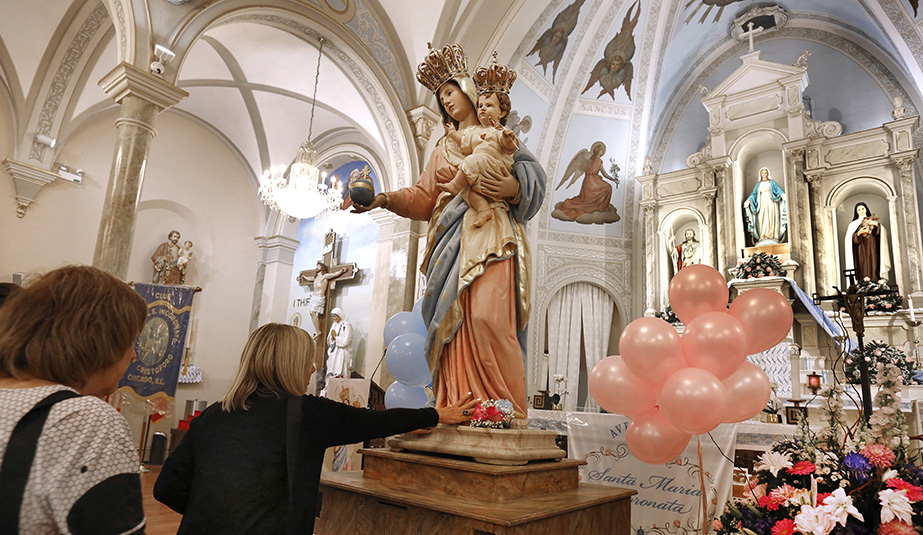
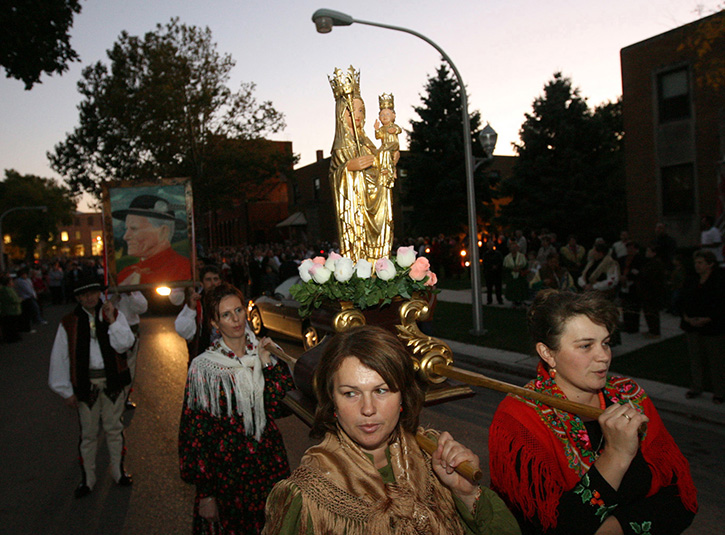
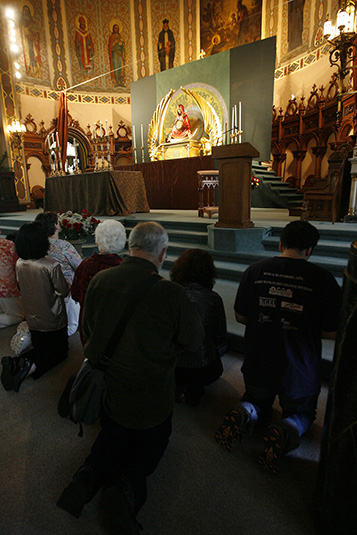
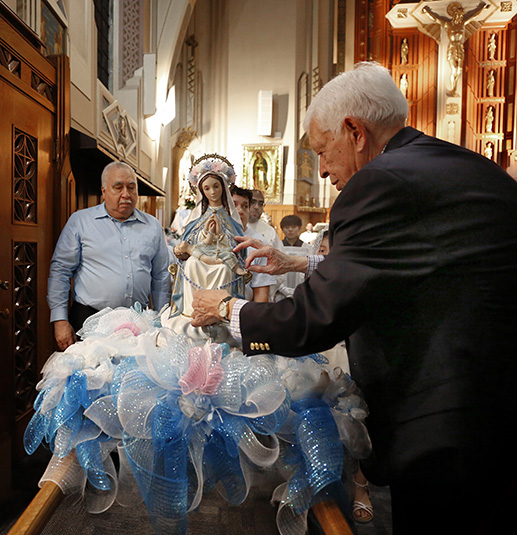
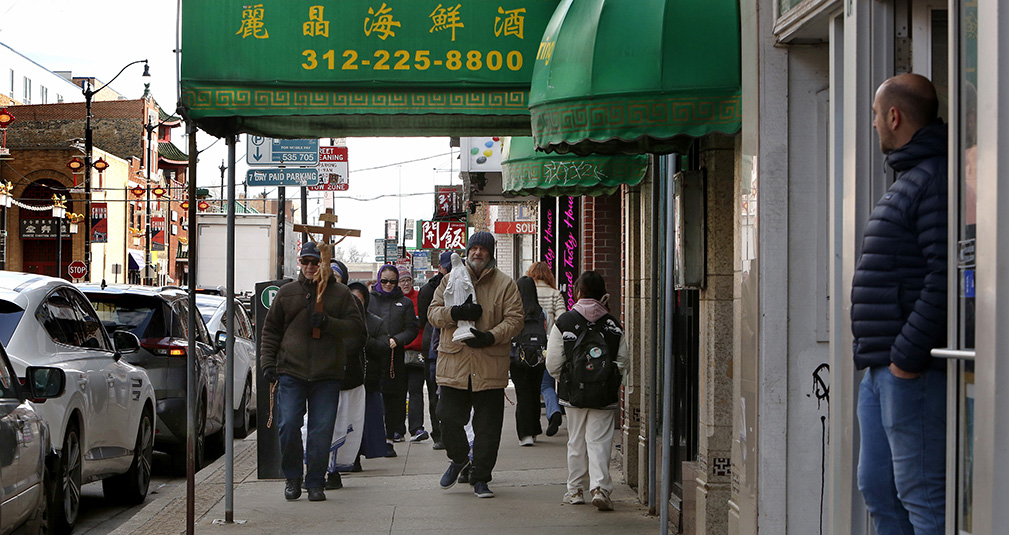
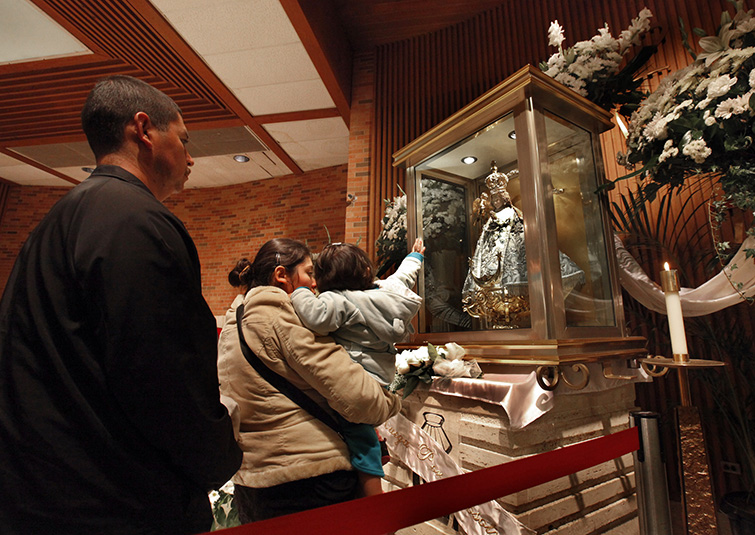
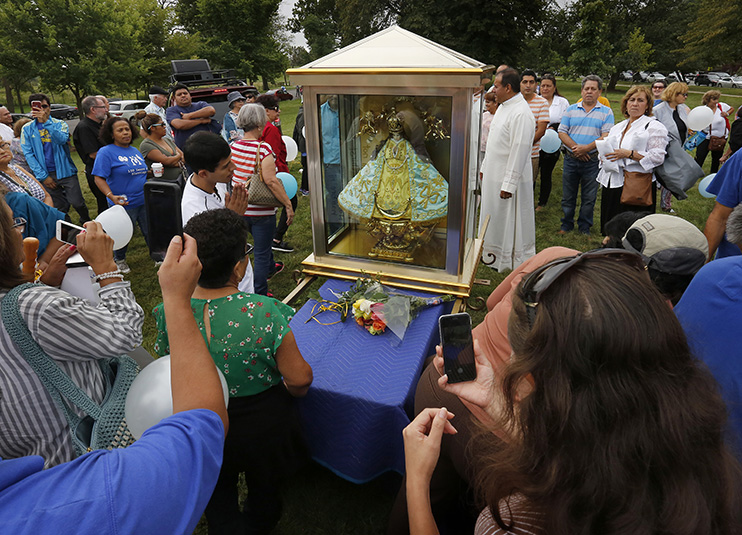
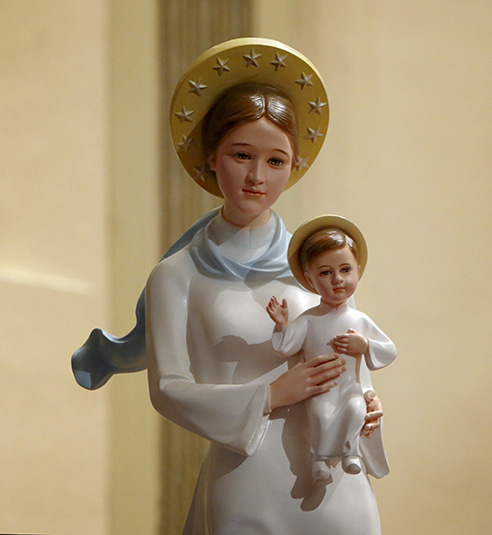
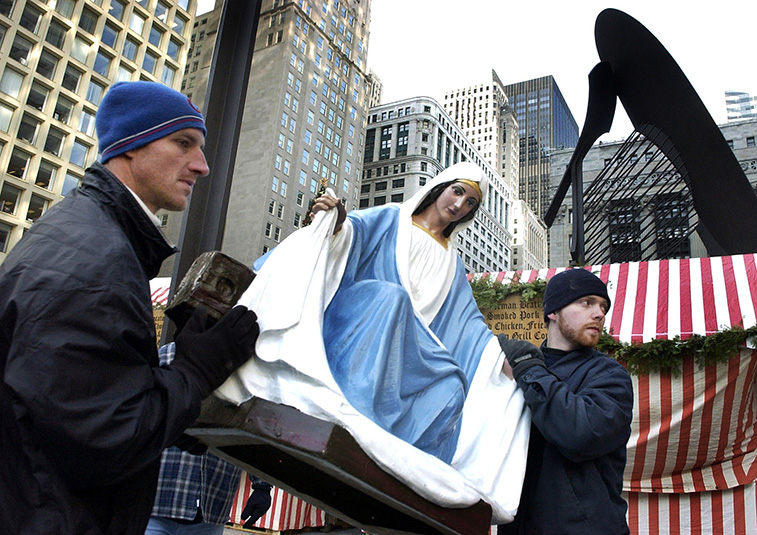
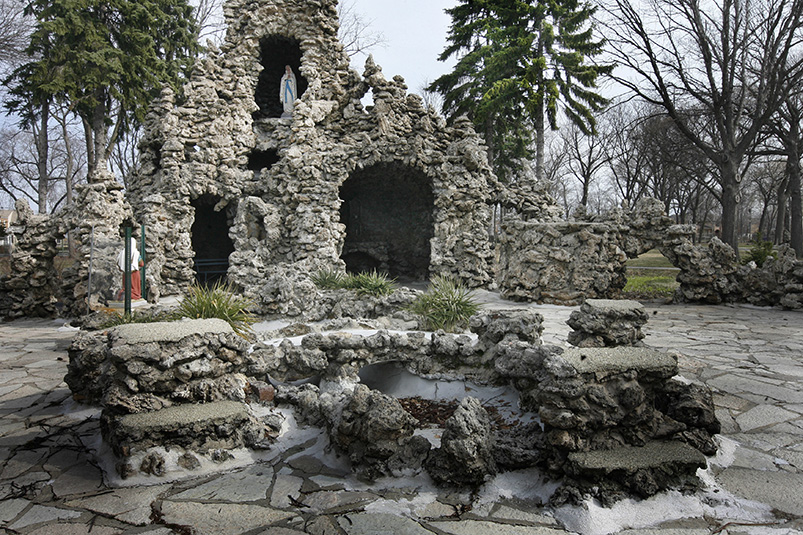
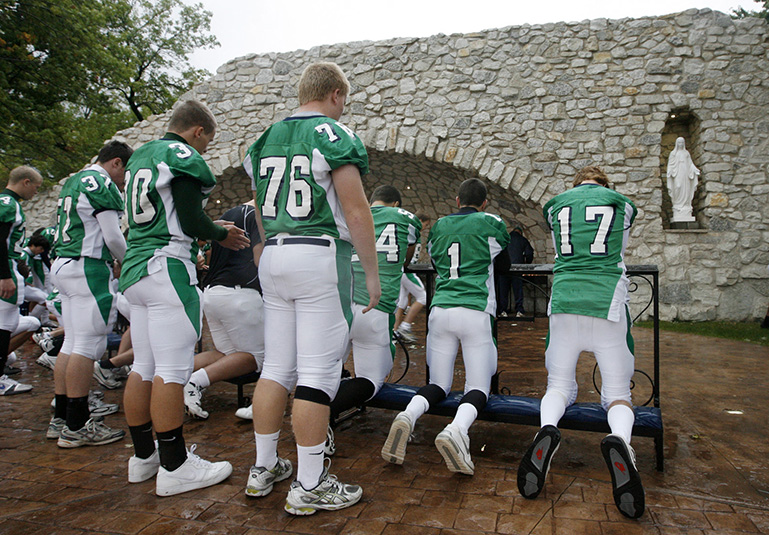
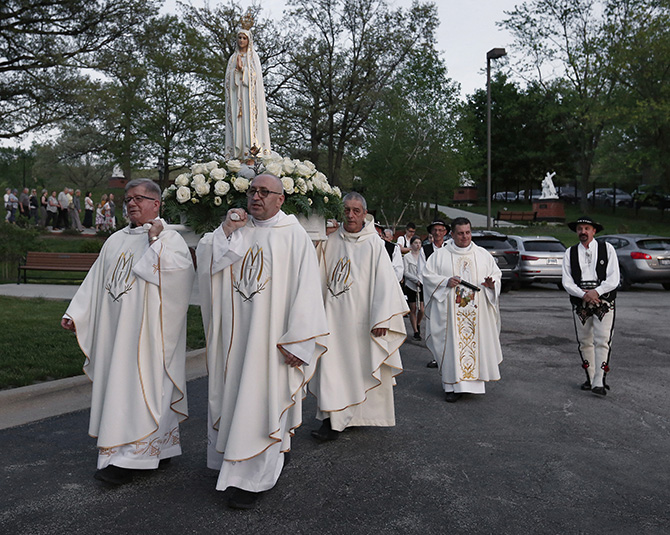
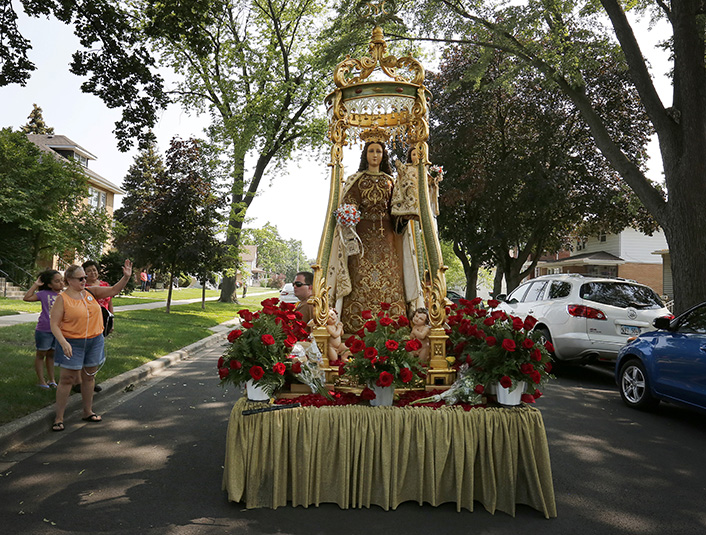
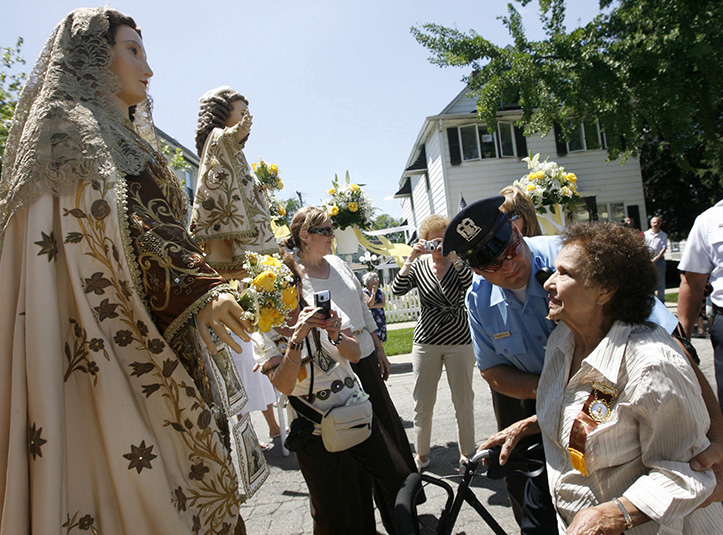
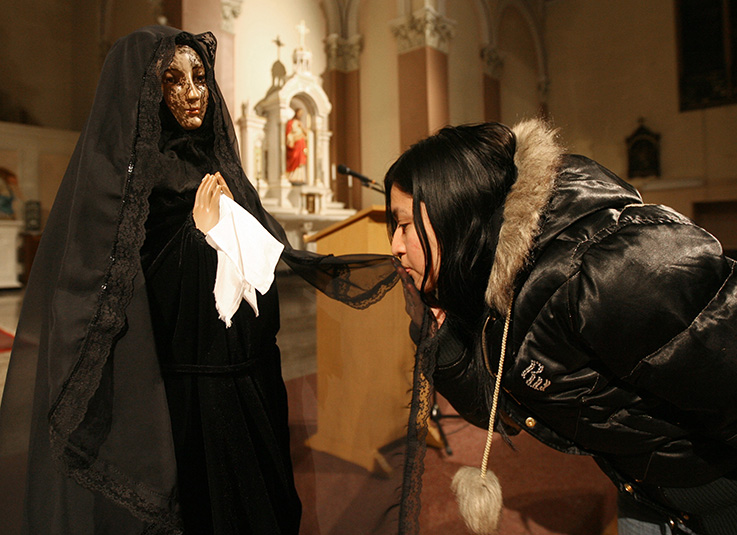
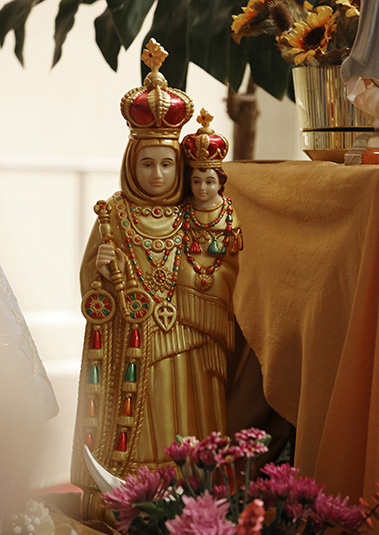
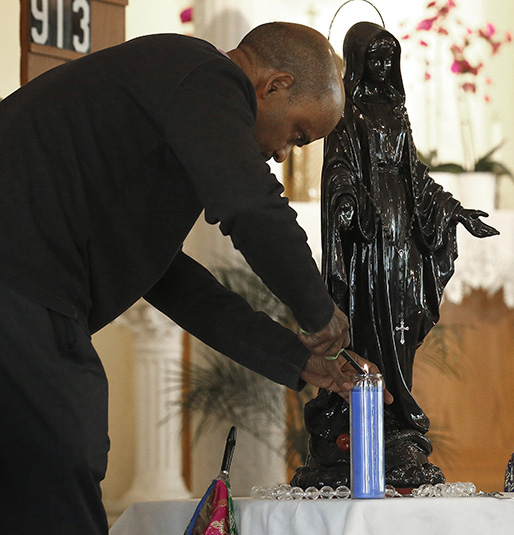
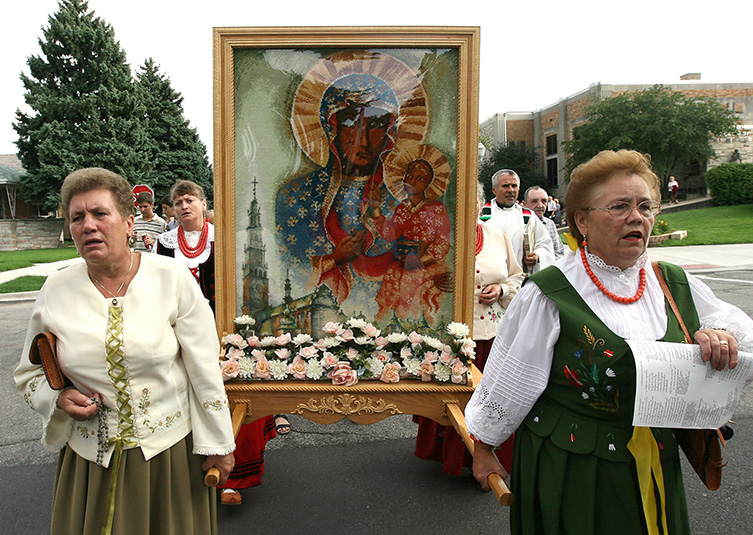
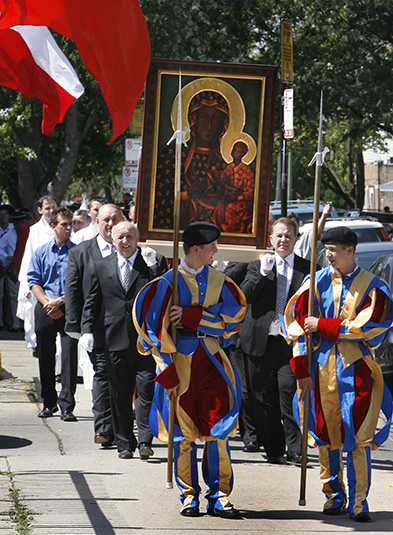
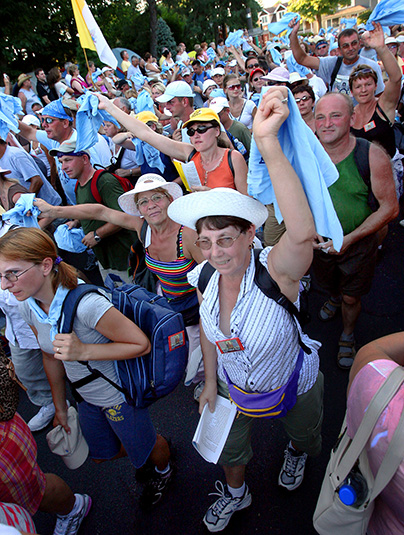
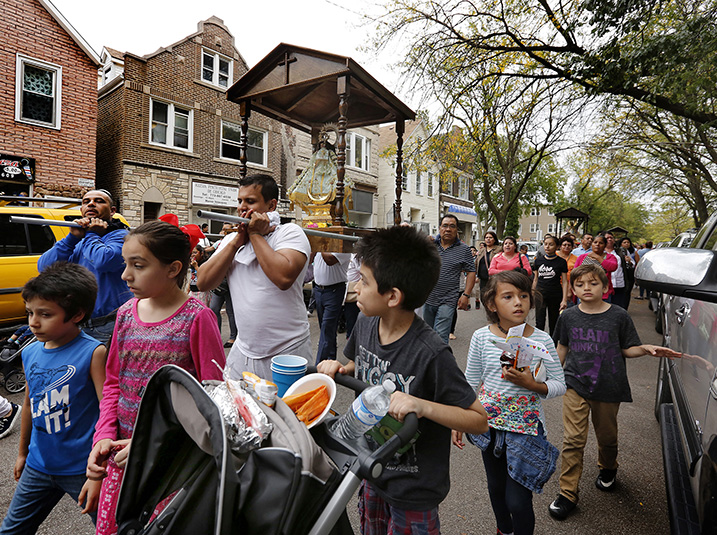
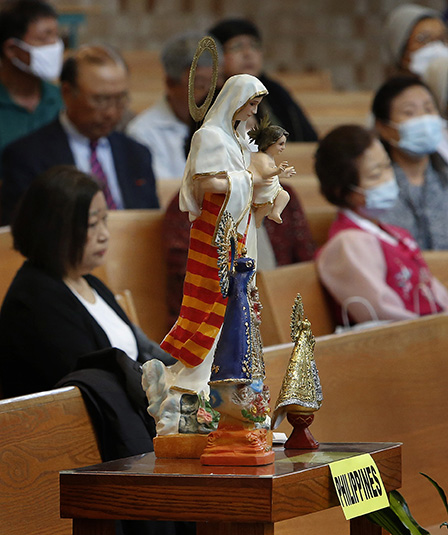
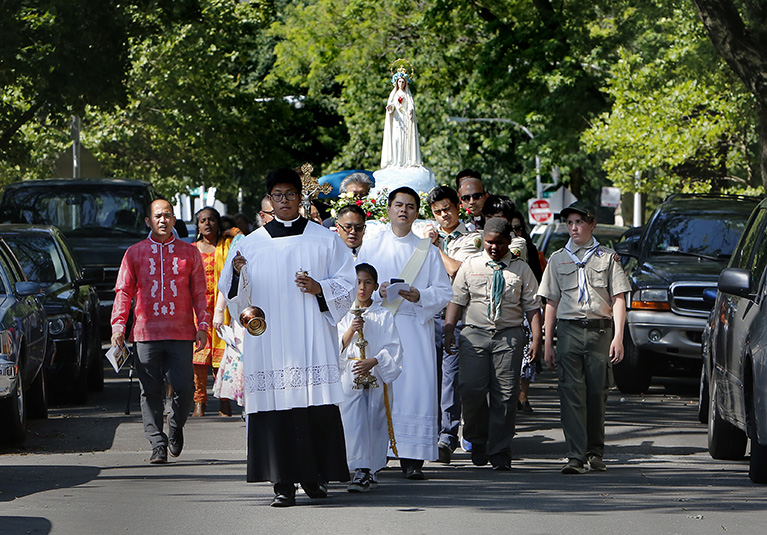
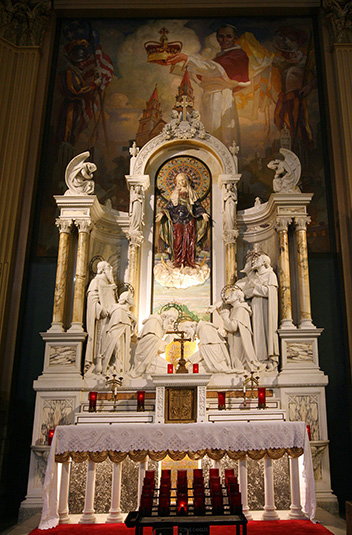
Regardless of which devotion to Mary is their favorite, Catholics around the archdiocese show their love for Jesus’ mother through the many processions and special Masses and events in parishes each year. On these pages we share just a few.